
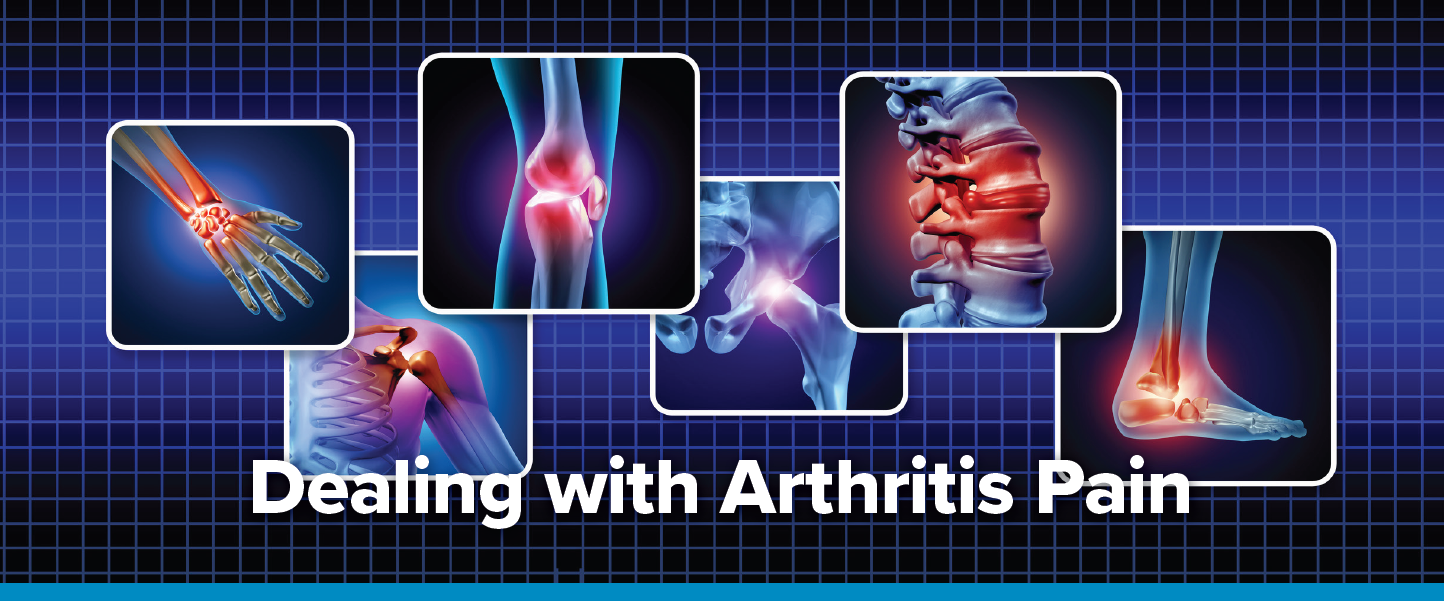
Arthritis is one of the leading causes of pain and disability in adults. More than 53 million people in the U.S. live with arthritis, and it can affect people of all ages — not just older adults [1]. Understanding what causes it, how to identify symptoms, and how to manage it can help you stay active, independent, and in control of your health.
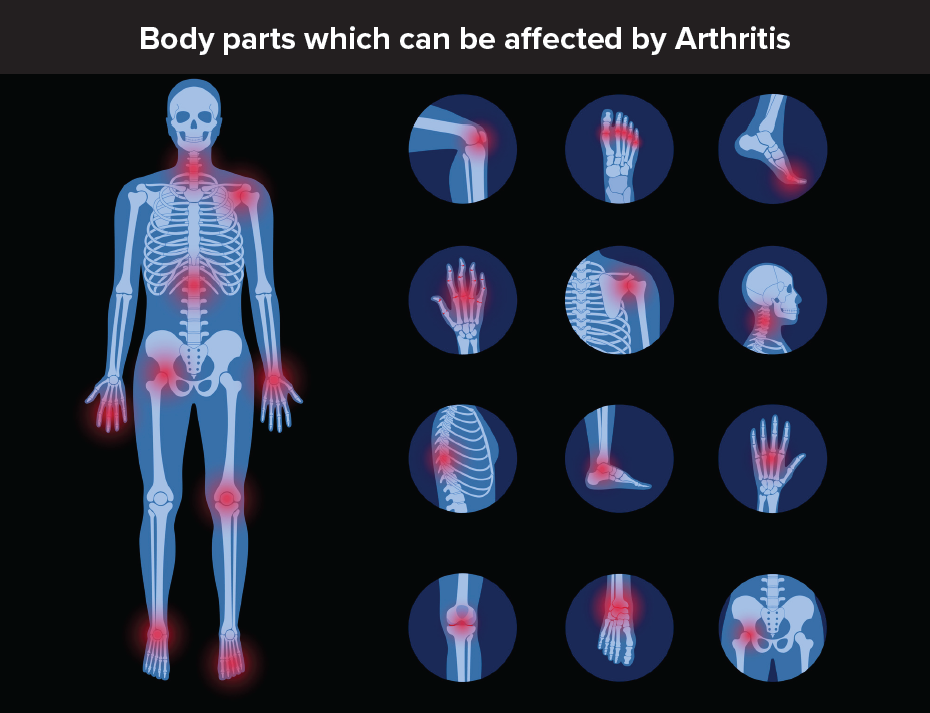
Where in the body Arthritis can occur Arthritis can impact almost any joint in the body — not just knees or hands. The most commonly affected areas include:
- Knees
- Hips
- Hands and fingers
- Wrists
- Spine (neck and lower back)
- Shoulders
- Ankles
- Toes and feet
Each joint in the body contains cartilage and connective tissue — and arthritis happens when this cartilage breaks down or becomes inflamed. This explains why arthritis symptoms can look very different from person to person — because the location of joint wear can vary widely depending on age, lifestyle, and type of arthritis [2].
Causes of Arthritis
Arthritis simply means “joint inflammation.” But there are over 100 different types of arthritis. The most common forms are:
- Osteoarthritis (OA) – Wear-and-tear of joint cartilage
over time - Rheumatoid Arthritis (RA) – Autoimmune disease where the immune system attacks the joints
- Gout – Buildup of uric acid crystals in joints (often big toe)
Common causes and risk factors include: - Aging — joint tissues break down over time [2]
- Previous joint injury (sports, accidents, repetitive jobs) [2]
- Autoimmune dysfunction (for RA) [3]
- Genetics — arthritis often runs in families [3]
- Obesity — excess weight increases pressure on joints (knees, hips) [2]
Signs you may have Arthritis
You may suspect arthritis if you notice one or more of the following symptoms:
- Joint pain during or after activity
- Morning stiffness that lasts longer than 30 minutes
- Joint swelling, warmth, or tenderness
- Reduced range of motion (difficulty bending, gripping, or stepping)
- Grinding, popping or clicking in joints
Most arthritis builds slowly — but catching symptoms early is important.
RA can also include fatigue, low-grade fevers, and joint pain on both sides of the body [3].
Ways to reduce Arthritis pain
There is no single “cure,” but many people reduce daily pain through consistent lifestyle habits:
Movement & Exercise
• Low-impact workouts (walking, cycling, water aerobics) (CDC recommends 150 minutes/week) [4]
• Range-of-motion exercises help maintain joint mobility
• Strength training supports joints by improving muscle support
Healthy Weight
• Losing just 10 lbs can reduce knee joint pressure by 30–40 lbs per step [5]
Heat / Ice
• Warm showers, heating pads = relax stiff joints
• Ice = reduces swelling after activity
OTC or Prescription Medications (with physician direction)
• NSAIDs (ibuprofen, naproxen)
• Topical creams (diclofenac gel) [4]
New Technology & Treatments Improving Arthritis Care
Here are some of the new innovation:
• Biologic medications for RA (Humira, Enbrel) – Reduce inflammatory immune activity — improved outcomes for RA patients [6]
• Platelet Rich Plasma (PRP) injections – Research suggests PRP may reduce OA knee pain in some patients [7]
• Wearable motion sensors & smart exercise apps – Help track mobility, steps, joint load for personalized exercise plans
• Robotic-assisted joint replacement surgery – More precise joint replacement positioning, faster recovery times in some cases [8]
Arthritis is common — but so are effective strategies to manage it. Movement, early diagnosis, weight management, modern treatments, and regular monitoring can dramatically improve quality of life. Staying active is one of the most powerful medicines you have.
©2025ProgressiveHealth
References
1. CDC — U.S. Arthritis Prevalence Data [CDC†Arthritis]
2. NIH — Osteoarthritis Basics [NIH†Osteoarthritis]
3. American College of Rheumatology — RA Overview [ACR†RA]
4. CDC — Physical Activity Guidelines Adults [CDC†PA]
5. Harvard Health — Weight Loss & Knee Arthritis Study [Harvard†OA/Weight]
6. American College of Rheumatology — Biologic DMARDs [ACR†Biologics]
7. Mayo Clinic — PRP Studies for OA Pain Relief [Mayo†PRP]
8. Cleveland Clinic — Robotic Joint Replacement Outcomes [CC†Robotic Joints]
9. ACR Practice Guidelines — Monitoring Frequency [ACR†Monitoring]