Healthy Living Blog

HEALTH
Fall brings cooler temperatures, colorful leaves—and an abundance of fresh fruits and vegetables. Apples, pears, pumpkins, winter squash, sweet potatoes, brussels sprouts, leafy greens and cranberries are among the foods commonly harvested or widely available during the fall season.[1]
HEALTH
The leaves are beginning to change, temperatures are cooling—and suddenly you’re sneezing, congested and reaching for the tissues. Is it fall allergies, a common cold, or another respiratory illness?
HEALTH
Psoriasis is a chronic autoimmune disease that causes skin cells to grow much faster than normal. Instead of replacing skin cells over about a month, the body produces new cells in just a few days.
HEALTH
Summer often brings a welcome break from everyday routines. Vacations, family gatherings, later bedtimes, and busy weekends can make it easy to put healthy habits on hold.
HEALTH
Summer vacation is a time to relax, explore, and recharge. Whether you’re taking a road trip, boarding a plane, or traveling overseas, most people focus on packing clothes and making reservations—not protecting their health.
HEALTH
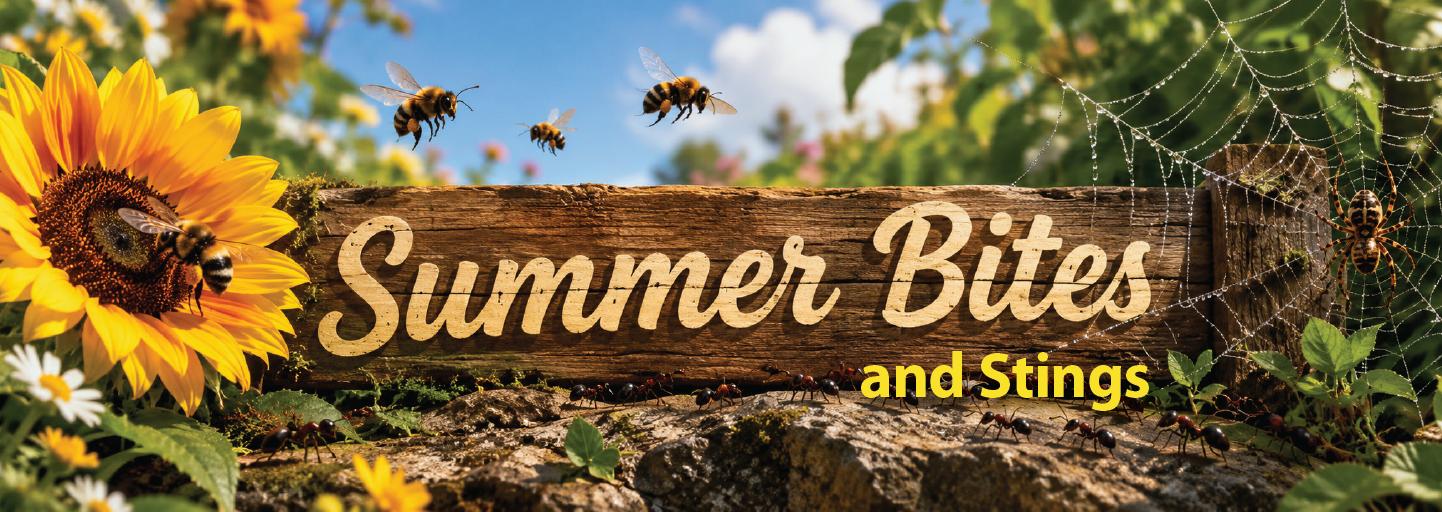
Summer is a great time to enjoy the outdoors, but warmer weather also brings increased exposure to insects and pests that can bite or sting.
HEALTH
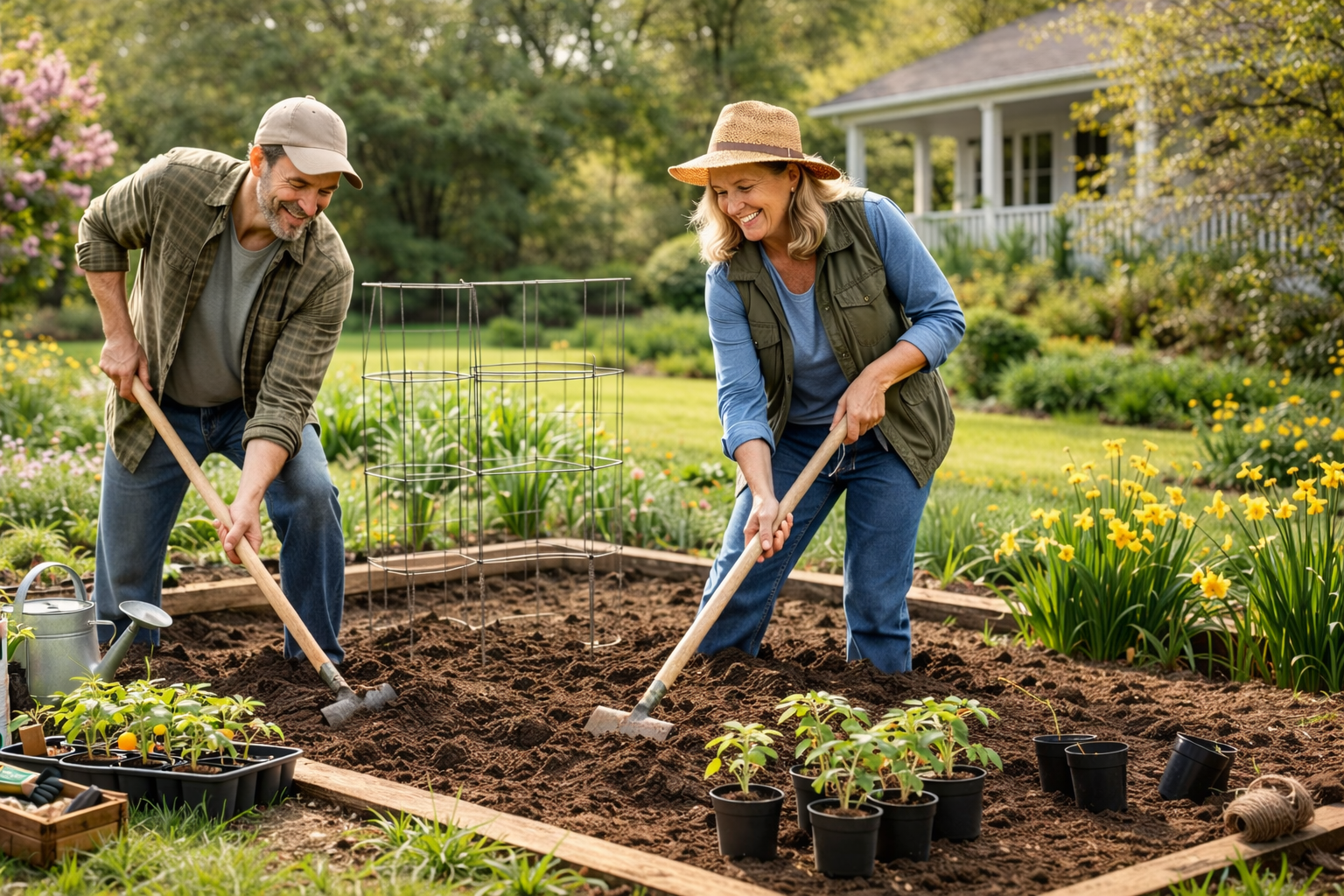
As the weather warms and the days grow longer, many people naturally become more active. Spring often means walking more, gardening, hiking, running, or simply spending more time outside.
HEALTH
As winter fades and temperatures begin to rise, many people look forward to getting outdoors again. Spring is a great time to start jogging, playing sports, gardening, or tackling yard work that has been postponed during the colder months.
HEALTH
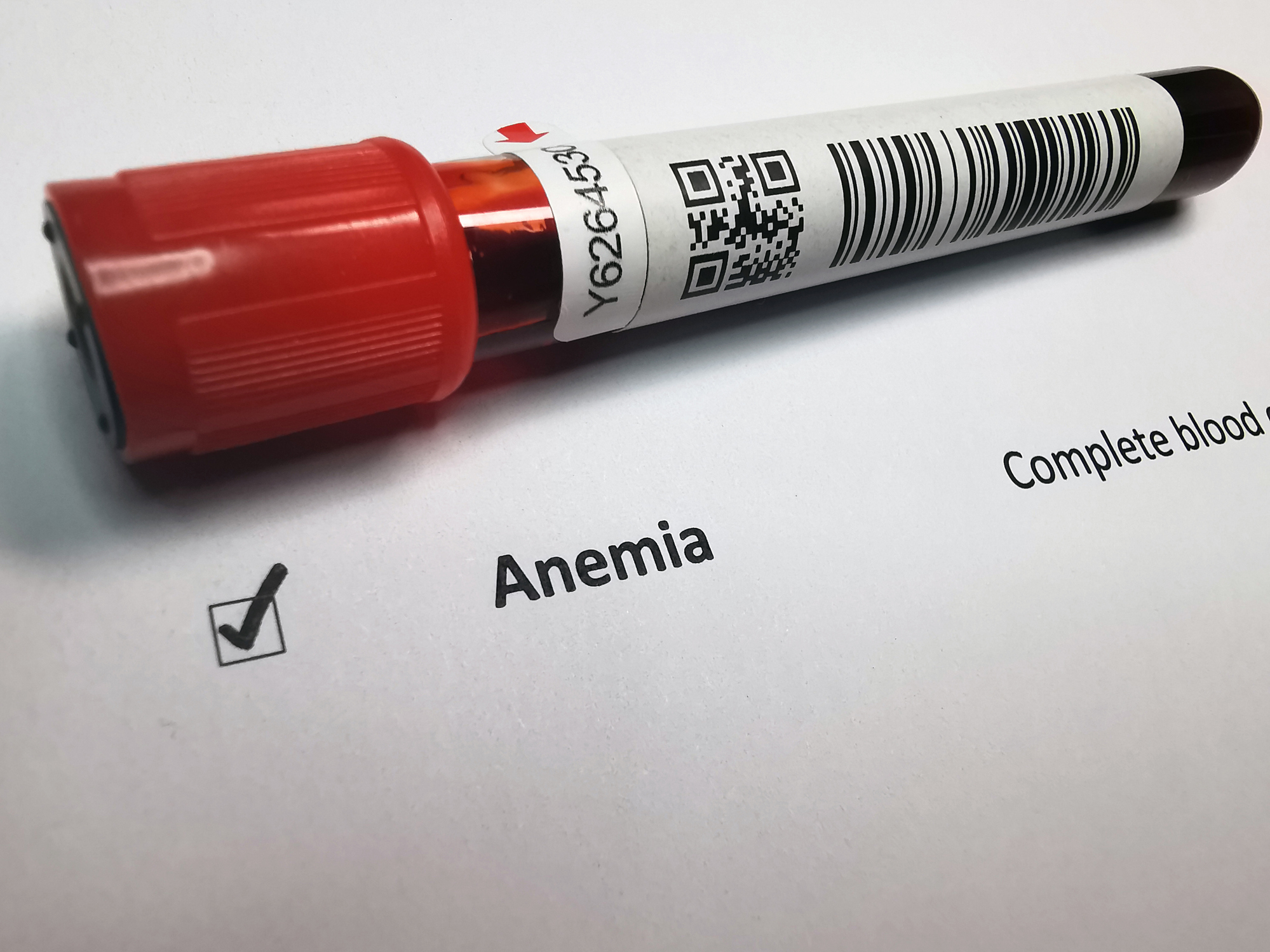
Anemia is one of the most common blood conditions worldwide. According to global health estimates, over 1.6 billion people are affected by anemia at any given time.