
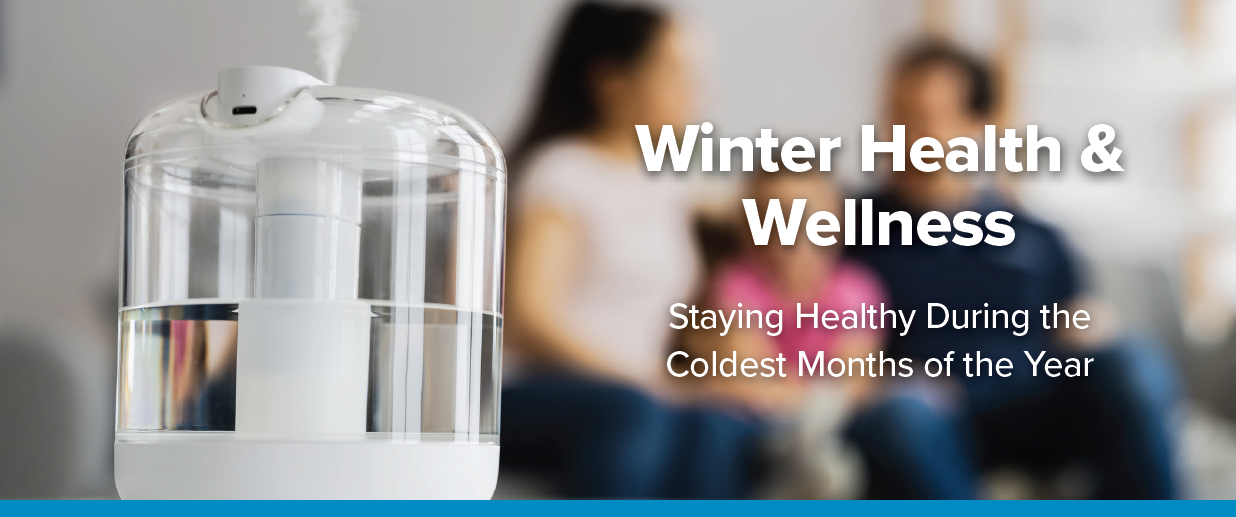
When winter arrives, many people find themselves fighting off more sniffles, less energy, dry skin, and even more serious health issues. Colder temperatures, drier indoor air, less sunlight, and more time spent indoors all increase our risk of illness and make existing issues feel worse.
Why Health Issues Increase in Winter
Winter brings several changes that directly affect the body:
- Cold air dries out sinuses and skin
- Indoor heating reduces humidity even more
- Shorter daylight hours reduce vitamin D production
- More indoor time increases virus spread
- Air pressure changes can trigger joint discomfort
These seasonal changes influence how our immune system, skin, brain chemicals, and joints function — making certain illnesses or symptoms more common during colder months [1][2].
Most Common Winter Health Issues & WHY They Happen
Colds & Seasonal Viruses
Respiratory infections like the common cold, RSV, flu, and COVID-19 spread more in winter because people spend more time indoors, in close contact, with limited ventilation. Cold air also helps viruses survive longer in the environment [1][3].
Dry Skin & Eczema Flare-Ups
Cold outdoor air contains less moisture, and indoor heating removes even more moisture from the air. This double-effect strips natural oils from skin — leading to cracking, flaking, and irritation [4].
Vitamin D Deficiency
Shorter days + lower sunlight exposure = less vitamin D production. In winter, many Americans fall below recommended vitamin D levels — especially in northern states [5].
Joint & Muscle Pain
Cold temperatures can tighten muscles and reduce circulation. This can make arthritis symptoms or old injury pain feel worse. Changes in barometric pressure may trigger
inflammation in sensitive joints [6].
Seasonal Affective Disorder (SAD)
Less sunlight affects serotonin (mood) and melatonin (sleep). As sunlight decreases, the brain produces more melatonin — which can lead to fatigue, low motivation, and depression-like symptoms [7].
How to Stay Healthy This Winter
Boost Your Immune System
• Wash hands for at least 20 seconds
• Stay current with vaccines
• Don’t share drinks or utensils
• Get 7–9 hours of sleep (sleep strengthens immune response) [8]

Keep Skin Hydrated
• Use a daily moisturizer after showering
• Use a humidifier in your bedroom
• Limit long, hot showers — they pull oils from skin
• Increasing indoor humidity supports skin moisture and may reduce airborne virus survival [9]
Maintain Vitamin D Levels
• Spend 10–30 minutes outdoors most days (if possible)
• Eat vitamin D rich foods (salmon, eggs, fortified dairy)
• Ask your doctor if a supplement is appropriate
• Up to 40% of adults experience seasonal vitamin D deficiency in winter [5]
Keep Moving — Even Indoors
• Movement increases blood flow, lubricates joints, and reduces stiffness.
• Try light stretching, short home workouts, or movement breaks during TV time.
• Exercise is linked to less joint pain and better mood during winter months [10]
Support Mental Well-Being
• Get daylight early in the day
• Stay socially connected
• Ask your provider whether light therapy may help
• Light therapy has been shown to improve Seasonal Affective Disorder (SAD) symptoms in
60–80% of people [11]
Small Daily Habits = Stronger Winter Health
1. Drink more water = Indoor heating causes dehydration
2. Eat fruits & vegetables = Boosts vitamins that support immune function
3. Get fresh outdoor air daily = Improves mood + oxygen flow
4. Sanitize common surfaces = Reduces virus spread on shared objects
5. Use a humidifier = Helps skin + nasal passages stay moist
Little changes can make winter easier on your body — and protect your health all season long.
©2025ProgressiveHealth
References
1. CDC – Seasonal Respiratory Virus Trends
2. American Lung Association – Winter Environmental Changes
3. Yale School of Medicine – Virus survival in cold, dry air
4. American Academy of Dermatology – Dry Skin Causes & Treatment
5. NIH Office of Dietary Supplements — Vitamin D Fact Sheet
6. Arthritis Foundation – Weather & Joint Pain
7. NIMH — Seasonal Affective Disorder
8. Sleep Foundation — Sleep & Immune Response
9. Harvard Health — Humidifiers & Skin Hydration
10. CDC — Physical Activity & Health Benefits
11. Mayo Clinic — Light Therapy for SAD
12. U.S. Preventive Services Task Force — Adult Preventive Guidelines